电影改编自村上春树《东京奇谭集》中收录的短篇小说《哈纳莱伊湾》。幸来到儿子死去的海滩,遇见一高一矮与儿子有相同爱好的冲浪手。她被告知多年前被鲨鱼咬死的儿子尚在人世,而她无论如何也找寻不到他。
丹尼(丹尼尔·戴-刘易斯 Daniel Day Lewis 饰)曾是一名热血沸腾的革命青年,因为加入了北爱尔兰共和军而遭到了逮捕,艰苦的牢狱生活一过就是十四载。终于熬过了漫长的不自由的时光,重回社会的丹尼决定洗心革面,做一个低调的普通人。 出狱后的丹尼重拾旧业成为了一名拳击教练,培养了一批和他一样热爱这项运动的年轻人。一场意外让丹尼和曾经的恋人玛姬(艾米丽·沃森 Emily Watson 饰)重逢了,此时的玛姬,独自一人抚养着十四岁的儿子林恩,日子过得十分艰辛。旧日爱情的火花在丹尼和玛姬之间死灰复燃,然而,曾经灰暗的过去亦让丹尼充满了犹疑和怯懦。
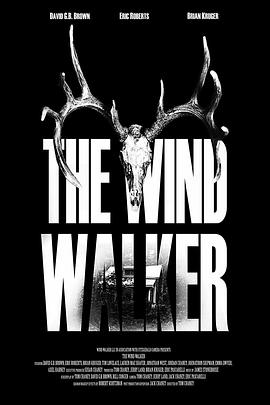
改編自同名小說《風行者》。二十五年前,美國最受歡迎的作家傑克文森特走進密西根州北部的黑暗樹林,寫下了他最偉大的一本書《風行者》,但他再也沒踏出那片森林。二十五年後,他的兒子小傑克決定展開一場眾所皆知的冒險,完成他父親未竟之業,但是命運帶來的衝擊,已超越文字所帶來的想像…
90多岁的老夫妻安东尼奥和贝莎所在的国家发生了严重的社会和经济危机,导致老夫妻的养老金停发、生活陷入困境。无奈,两个儿子已消失多年,为了生存,老夫妻只能变卖家当,依靠当街售卖玉米粉蒸肉来维持生计。出乎意料的是,陷入困境的生活突然发生了转变:儿子,带着孙子回来了。
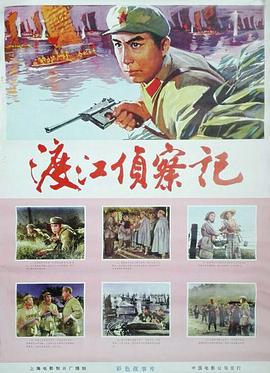
淮海战役后,解放军某部为配合大军渡江作战,派李连长率侦察班探明敌人江防部署。李连长与吴老贵、周长喜、小马、杨威等战士,乘夜色偷渡,至江南白马山区与游击队长刘四姐接上关系。翌晨,敌人发现江防有疑,令情报处长会同保安队长侯登科率人马搜捕。吴老贵乔扮敌军官,巧妙地通过封锁线,击毙侯登科。在游击队的配合下,侦察员又以民工身份混入敌江防要塞,巧取敌江防工事图。须臾,敌情有变,为探明虚实,侦察员们机警应变,摸清榴弹炮阵地部署。但驱车返回途中,被敌情报处长识破。周长喜为掩护战友脱险,壮烈牺牲。敌人张网搜索,李连长等人与江北失去了联系,旋派吴老贵与小马乘天黑泅渡过江传送情报。吴老贵为掩护小马洒血捐躯,小马不辱使命,及时送到情报。百万雄师渡江南下。这时,李连长与刘四姐挥手作别,又赴征程。
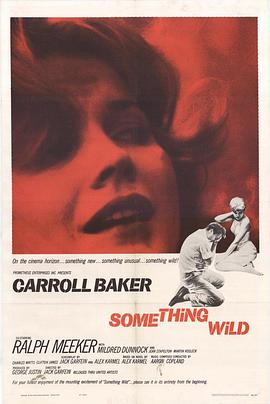
少女玛丽安在放学回家路上遭遇凌辱,离家出走。找到一份微薄工作。玛丽安孤僻性格受到同室之人冷漠应待,伤心之余想要跳河自杀,被路过的麦克所救。玛丽安暂避麦克居所,但麦克不给玛丽安自由,一而再再而三地向她求婚。玛丽安最终答应了麦克。玛丽安的母亲找来,母女团圆。 该片根据亚历克斯·卡默的小说《玛丽安》改编。
杜天明(张学友 饰)是国际慈善机构香港分部的总干事,同时也是一位非常虔诚的基督教徒,凭借着出色的口才,杜天明经常在教堂里传教,深受信徒们的喜爱和信赖,其社会地位可以用德高望重来形容。某日,机构里来了一位名叫蜜雪儿(林嘉欣 饰)的女助理,蜜雪儿被杜天明所散发出的成熟气质深深的吸引了,两人之间的距离越来越近,但碍于身份和社会地位,杜天明并不敢对蜜雪儿有任何的非分之想。杜天明即将被调到英国,出任亚洲区的总干事一职,临行前,他决定和蜜雪儿来一场“最后的晚餐”,哪知道当晚气氛实在太好,在车里,杜天明终究是没有抵挡得了人性的诱惑,做出了之后改变了他一生的决定。
《拉雷手》讲述了抗日战争时期,雷笨带领拉雷手与鬼子展开血战智战,见招拆招,出其不意大胜敌人的故事。
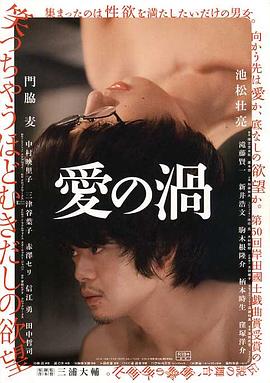
在东京六本木的某间高档公寓内,隐藏着一家少为人知的奇特风俗店,营业时间是凌晨零点到早上五点,面向想做爱的男男女女。这一天来的客人是四男四女,还有中途加入的一对情侣。这些身份性格迥异的人,将在这五个小时内,卸下各自的伪装,邀请对方进行“无爱的性体验”,而爱之漩涡,也将因此把他们都卷入其中……
导 演:白羽、李军 编 剧:劳子安 主 演:李翔、赵尔玲、徐一恩、郑琪文 片 种:故事片 类 型:剧情 出品单位:上海军凯文化传播有限公司 长 度:83分钟 出品年代:2009 聂嘟嘟和唐南南关系要好,南南因为白血病住进了医院,嘟嘟将家中积蓄八万元拿出来还是没有救活南南,嘟嘟带着南南的遗像去了云南大理,完成南南生前的愿望。
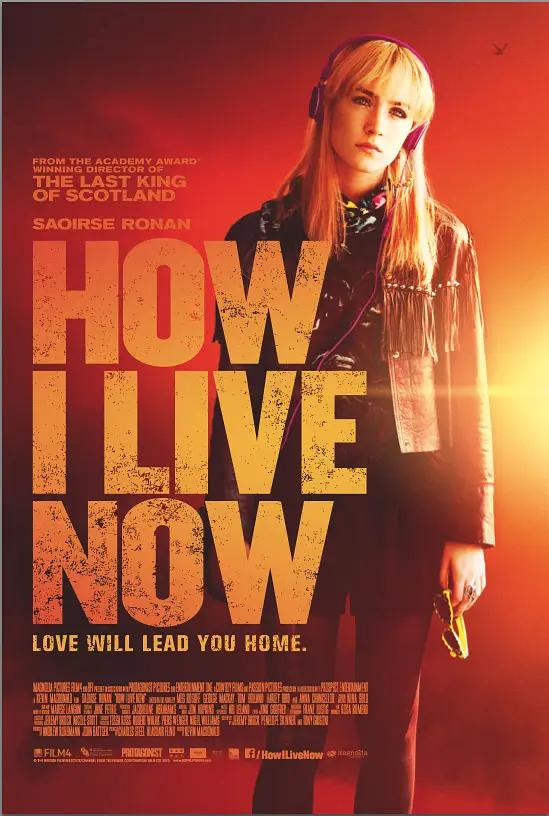
曼哈顿少女黛西(西尔莎·罗南 Saoirse Ronan 饰)来到乡下,住在婶婶佩恩(安娜·钱斯勒 Anna Chancellor 饰)的家中。在这里,黛西结识了艾德蒙德(乔治·麦凯 George MacKay 饰)和艾萨克(汤姆·赫兰德 Tom Holland 饰)等人,一群年轻人一起度过了一段宁静的日子。 然而,某一日,战争毫无预兆的忽然爆发,伦敦遭到了敌人的轰炸和占领,一片疮痍景象,黛西就这样失去了故乡。婶婶离开了农场,留下黛西等人,电力的中断导致一切都陷入了黑暗和停顿之中,黛西必须使用智慧和勇气保护这一片仅存的家园。在此过程中,朝夕相处使得黛西和男孩们之间产生了别样的情谊,在这片似乎被整个世界抛弃的小小伊甸园中,希望和绝望的故事轮番上演。
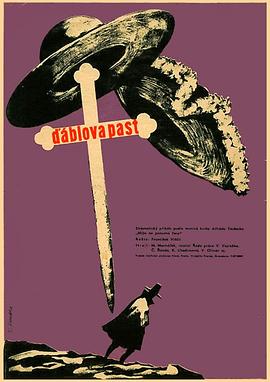
In the time of Counter-Reformation, a miller and his son come under investigation by a priest of the Inquisition, when rumors spread that their prosperity comes from working with the Devil. The Devil's Trap is a film directed by František Vláil, based on a novel by Alfréd Technik, adapted by František A. Dvorák and Miloš Kratochvíl. It was the first of three historical dramas that Vláil made during the Czech New Wave (technically he isn't really a part of the New Wave, however these films were made during the same era of artistic freedom), preceding his more well known Marketa Lazarová (1967) and Valley of the Bees (1968). Set in the late 16th Century during the Catholic Reformation, in the Moravian Karst, situated in what is now the Eastern Czech Republic, it tells the tale of a miller (Vítezslav Vejrazka), and his son Jan (Vít Olmer), who come under suspicion and are investigated by a Jesuit priest of the Inquisition (Miroslav Macháchek), when rumors of witchcraft are spread by the local regent (Cestmír Randa), who is jealous of the miller's prosperity and degree of respect among the local populace. As expected from Vláil, this film is a stunning experience all the way through. From the opening shot, an ominous manipulation of perspective with a close up of a mangled figure of Christ dominating the foreground against a tiny figure in black walking along the horizon, to the breathtaking confrontational finale inside the vast stalactite filled Karst caverns, it is a wonderful display of visual mastery. Maybe not quite as impressive as Marketa Lazarová, but still full of astonishing imagery. As seen from unique angles and distinct points of view which highlight the director's remarkable sense of awareness of framing, motion, and positioning on the emotional and dramatic tone of the scene. The most memorable being a repeated shot where the camera is suspended and launched with speed through the air towards the miller's door. The story here is a simple one and I would say more accessible than his later works. With a conventional structure emphasized as much by its plot and characters, than by its expressionistic cinematography or authentic historical detail. The events play out without much surprise, and there is a strong underlying, almost supernatural, mysterious aspect that is left unresolved, in fact barely explored, which is slightly disappointing, but only because it's so fascinating that I wish there was more. Acting is great all around. Particularly the villains Miroslav Macháchek as the priest, casting a sinister and imposing shadow wherever he goes, and Cestmír Randa as the weasel like regent behind all the persecution. While Vít Olmer brings a charismatic leading man presence in his role as the miller's son Jan, in love with the lovely orphan girl Martina (Karla Chadimová), who becomes a dangerous object of rivalry between Jan and other young men of the village. The film also features the evocative music of Zdenk Liška (perhaps the most prolific composer of the Czech New Wave). In this his second of eleven collaborations with Vláil, his compositions are used sparingly, but to great effect, complimenting but never overpowering a scene. The best example of which can be heard in an amazingly shot celebration and dance sequence at the end of the second act. The Devil's Trap might not be a masterpiece, but it is still a strong effort, with a fascinating straightforward story and a glorious historical setting captured beautifully by Vláil's unmistakable visual prowess. A fine work that would also be the perfect starter plate to prepare yourself for the challenging feast of Marketa Lazarová or The Valley of the Bees. It even has an easy to digest running time. It's therefore puzzling why this gem remains largely overlooked and ignored.